ARTICLE • LIFTING & TIGHTENING
Program Ulthera vs Program Thermage vs Program HIFU – What’s the Difference? (2026)
A simple overview of three popular skin-tightening technologies to help you discuss options with your doctor more confidently.
In 2026, non-surgical lifting and tightening treatments are widely discussed, especially Program Ulthera, Program Thermage and Program HIFU. Although they may sound similar, each technology uses different types of energy, targets different skin layers and is applied in different ways. Understanding the basic differences can make your consultation with a doctor clearer and more productive.
This article is intended for general educational purposes only. It explains the principles and characteristics of each technology without guaranteeing results or recommending one specific procedure for everyone. Any decision should always be based on a proper medical consultation.
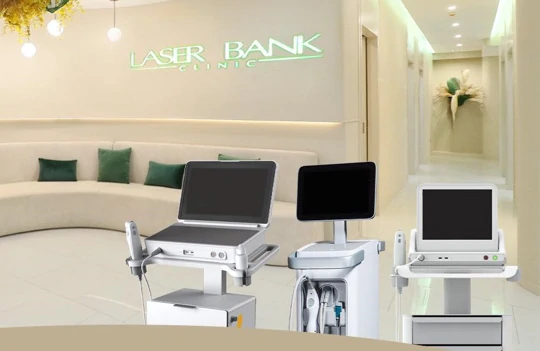
Overview of Lifting Technologies in 2026
Most lifting technologies share a common idea: delivering energy below the surface of the skin to stimulate the body’s natural repair mechanisms, such as collagen remodeling. However, the depth of energy, pattern of delivery, sensation during the procedure and expectations after treatment can differ significantly between devices.
Program Ulthera vs Program Thermage vs Program HIFU – Key Differences
All three technologies aim to support skin firmness to some degree, but they differ in energy type, targeting strategy and how doctors design the treatment.
The comparison below is a simplified overview of general principles, not a guarantee of results. Actual treatment decisions should always be personalised by a qualified doctor.
| Aspect | Program Ulthera | Program Thermage | Program HIFU |
|---|---|---|---|
| Type of energy | Focused ultrasound with real-time imaging | Radiofrequency (RF) energy | High intensity focused ultrasound |
| Energy planning | Imaging helps guide energy delivery to specific depths | Designed to cover broader areas according to the treatment plan | Delivers linear energy patterns at preset depths without imaging |
| Typical positioning | May be considered for deeper structural support in selected zones | Often used to support surface firmness and texture over wider areas | Sometimes used as an entry-level tightening option, depending on clinic protocols |
How to Choose What’s Right for You
Choosing a lifting technology should not be based on device name alone. Factors such as age, skin quality, degree of laxity, previous treatments and personal expectations all play a role. In many cases, doctors may combine different approaches over time, depending on long-term plans and safety considerations.
- If deeper structural support is a key concern, doctors may discuss ultrasound-based options with imaging guidance where appropriate
- If surface smoothness and broad-area firmness are priorities, radiofrequency-based approaches may be included in the discussion
- For those who are completely new to tightening procedures, doctors may outline several options and explain realistic expectations for each
- The most important step is to ask about benefits, limitations and alternatives during your consultation
Frequently Asked Questions
Which is better – Program Ulthera, Program Thermage or Program HIFU?
No single technology is universally “better” for everyone. Each has different characteristics, and the most suitable choice depends on your skin condition, goals and medical history. A detailed consultation with a doctor is essential before deciding on any procedure.
Can these treatments replace surgical facelift?
Non-surgical lifting technologies like Program Ulthera, Program Thermage and Program HIFU are often chosen by people who are not ready for surgery, but they are not designed to replace surgical facelift in all cases. The appropriate approach should be determined together with a qualified doctor.
How often do I need treatment to see results?
There is no one-size-fits-all schedule. The number of sessions and interval between them depend on factors such as age, baseline skin quality, lifestyle and the treatment plan your doctor designs. You should always follow medical advice rather than fixed promises.
Are there any side effects?
As with any medical procedure, there can be temporary effects such as redness, mild swelling or tenderness in some individuals. Most of these are short-lived, but you should always be treated in a licensed clinic and inform your doctor of any previous skin or health issues.
Important note
This content is provided for general informational purposes only and does not constitute personal medical advice. Treatment decisions should always be made in consultation with a qualified healthcare professional. Results and suitability vary from person to person.
CONSULTATION
Not sure which lifting option suits you best?
You can chat with our medical team to discuss your skin condition and suitable treatment options.