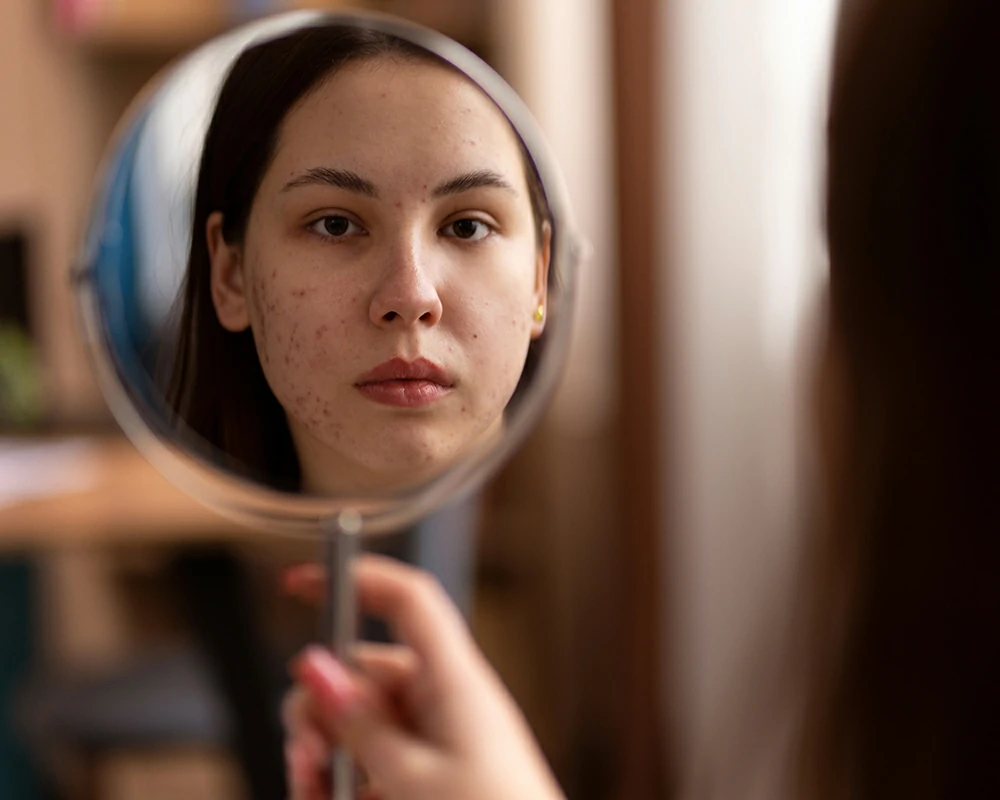
Acne is common – and not a personal failure
Many people feel less confident when acne appears, even though it is one of the most common skin concerns in daily practice. It often shows up during teenage years, early adulthood, or whenever hormones fluctuate.
Instead of blaming yourself, it can be more helpful to understand which factors might be influencing your skin, and then choose a care routine that fits your skin type and lifestyle.
10 common causes of acne
1. Overactive oil glands
When the sebaceous glands produce more oil than usual, pores can clog more easily. This is common during teenage years, menstrual cycles or other periods of hormonal change.
2. Dead skin cells clogging the pores
If the skin does not shed evenly, old skin cells can build up and block the pores, forming whiteheads or blackheads.
3. Skin bacteria (Cutibacterium acnes)
This bacteria naturally lives on the skin. When pores are clogged and oil increases, it may multiply and trigger inflammation, leading to red or pus-filled pimples.
4. Hormones and stress
Stress, lack of sleep and hormone fluctuations can influence oil production and make the skin more prone to breakouts or slower to recover.
5. Cleansing that does not match your skin
Cleansing too little may leave residue on the skin, while cleansing too often or using harsh products can irritate and dry out the skin, prompting more oil production as a response.
6. Makeup and sunscreen that are not fully removed
Certain makeup and sunscreen products may clog pores if they are not removed properly, especially in people with oily or acne-prone skin.
7. Certain foods and drinks
For some people, frequent intake of high-sugar foods, fried food, very oily dishes or dairy products may be associated with acne flares. Not everyone reacts the same way, so individual observation is important.
8. Lack of sleep and insufficient rest
Poor sleep can affect hormone balance and the skin’s natural repair process, making it easier for inflammation and breakouts to persist.
9. Skincare that is not suitable for your skin type
Some people are sensitive to certain ingredients such as fragrance, alcohol or silicones. Heavy creams on oily skin may also increase the chance of clogged pores.
10. Medications and underlying health conditions
Some medicines, such as steroids or drugs affecting hormone levels, as well as some health conditions, can be linked to acne. If breakouts seem unusually severe or sudden, it is worth discussing this with a doctor.
Everyday habits that may worsen breakouts
- Touching, picking or squeezing pimples frequently with unwashed hands.
- Using the same towel, pillowcase or makeup brushes for a long time without washing them.
- Letting oily hair or styling products repeatedly touch the face.
- Pressing a phone screen against the cheek for long periods without cleaning the screen.
Gentle ways to support acne-prone skin
- Choose a mild cleanser suitable for your skin type and cleanse twice daily.
- Avoid harsh scrubs or products that irritate the skin barrier.
- Look for products labelled non-comedogenic or suitable for acne-prone skin.
- If you wish to use exfoliating acids or retinoids, it is safest to do so under professional guidance.
- Support your skin from the inside by prioritizing sleep, rest and stress management together with topical care.
When should you consider seeing a dermatologist?
- Acne is painful, very inflamed or there are many pus-filled lesions.
- Breakouts leave noticeable dark marks, red marks or early scarring.
- You have tried basic care for a while but acne still persists or keeps recurring in the same areas.
- You suspect that hormones, medication or an underlying condition may be involved.
Important note
This article is intended for general educational purposes only. It cannot replace a personalised medical consultation or diagnosis. If your acne is persistent, severe or affecting your quality of life, please consult a dermatologist for an individual assessment before starting or changing treatment on your own.
Frequently asked questions about acne causes
If I cleanse my face properly, why do I still get acne?
Because acne is influenced by more than cleansing alone. Hormones, oil production, clogging, bacteria, lifestyle and overall health can all play a role. Cleansing correctly is helpful, but it cannot address every cause by itself.
Does stress really make acne worse?
In some people, stress can affect hormones and sleep quality, which may make the skin more prone to inflammation and breakouts. Taking care of both your skin routine and your rest habits often works best together.
Do oily or fried foods always cause acne?
Not everyone breaks out from the same foods. However, for some individuals, high-sugar, very oily or certain dairy products may be associated with flare-ups. Observing your own skin’s response after certain meals can be useful.
Is it okay to squeeze pimples at home when I see a whitehead?
Squeezing pimples at home, especially without proper tools or hygiene, can increase inflammation, risk infection and lead to scarring. If clogged pores are very bothersome, professional extraction or medical advice is generally safer.
Can long-standing acne be managed by myself, or do I need to see a doctor?
Mild acne may improve with gentle skincare and lifestyle adjustments, but if breakouts are long-standing, severe or beginning to scar, seeing a dermatologist can help identify underlying factors and plan more targeted treatment.